Prime Côte d’Azur estates can appreciate annually by up to 8%, yet many affluent buyers still view luxury property through outdated lenses of mere location and aesthetics. True property lifestyle value on the French Riviera integrates financial return, sustainable living, and legacy wealth preservation into a single holistic investment. This guide reveals how to evaluate and acquire estates that serve as both family sanctuaries and appreciating assets, aligning with your wealth transfer goals and sustainability values while delivering the Riviera lifestyle you seek.
Table of Contents
- Defining Property Lifestyle Value on the Côte d’Azur
- Legacy Investments and Value Appreciation
- Sustainability and New Construction Trends
- Due Diligence and Financial Safeguards
- Comparative Analysis of Riviera Locales
- Financial and Legal Considerations in Legacy Investments
- Discover Your Legacy Luxury Real Estate Opportunity
Key Takeaways
| Point | Details |
|---|---|
| Integrated Value | Property lifestyle value combines financial returns, sustainability credentials, and legacy preservation in one estate. |
| Legacy Returns | Prime estates deliver 5-8% annual appreciation with 3-5% rental yields through tax-efficient structures. |
| Eco Demand | Sustainable builds see 15% forecast demand growth in 2026, driven by certifications and solar arrays. |
| Due Diligence | Legal audits, technical surveys, and financial forecasts protect value and ensure compliant acquisitions. |
| Location Liquidity | Core Côte d’Azur cities sell faster (45-75 days) versus peripheral properties (120+ days), impacting investment strategy. |
Defining Property Lifestyle Value on the Côte d’Azur
Property lifestyle value represents a fundamental shift in how global elites approach Côte d’Azur acquisitions. It moves beyond square footage and postal codes to encompass three interwoven pillars: financial performance, authentic lifestyle immersion, and environmental stewardship. You’re not simply purchasing walls and views; you’re securing a multigenerational asset that appreciates while delivering daily joy and planetary responsibility.
Curated luxury estates blend timeless Provençal architecture with cutting-edge eco-engineering. Think restored stone mas with solar arrays hidden beneath terracotta tiles, or contemporary villas featuring biophilic design that blurs indoor and outdoor living. Premium locations command €2M+ premiums around sea views and eco finishes; structural integrity and sustainability certifications amplify this value. A panoramic Baie des Anges vista from Nice’s Mont Boron or Cap d’Antibes’ coastal sentiers becomes exponentially more valuable when paired with green building credentials and seismic resilience.
Lifestyle authenticity distinguishes true Riviera estates from generic luxury boxes. Privacy gates open onto gardens scented with lavender and lemon blossoms, steps from Antibes’ Provençal markets or Menton’s citadel rambles. Architectural distinction matters: whether a Belle Époque villa echoing Cannes’ Croisette elegance or a minimalist marvel framing Saint-Tropez’s Pampelonne sunsets. Cultural connection runs deeper still. Your estate becomes the launchpad for yacht-gazing at Lérins abbey, gallery-hopping through Èze’s floral lanes, or ascending Nice’s Château Hill for sunrise panoramas over the Mediterranean.
Key lifestyle value components include:
- Certified eco-luxury features (solar systems, green materials, energy ratings)
- Prime location offering cultural immersion and natural beauty access
- Architectural integrity respecting Riviera heritage while embracing innovation
- Privacy and security infrastructure suitable for high-net-worth families
- Proximity to elite amenities (marinas, golf, Michelin dining, international schools)
Pro Tip: Prioritise estates where sustainability and lifestyle authenticity reinforce rather than compromise each other, such as restored farmhouses with modern eco-systems or new builds using local stone and renewable energy.
Legacy Investments and Value Appreciation
Côte d’Azur luxury property transcends typical real estate transactions to become legacy plays: wealth preservation vehicles passing through generations. Historical appreciation of 5-8% annually on prime estates outpaces most traditional investments, while 3-5% rental yields via elite seasonal letting add immediate income streams. This dual return profile positions Riviera property as both capital growth engine and cash-flow generator.
Tax-efficient ownership structures unlock the true legacy potential. French and international legal frameworks allow strategic wealth transfer minimising inheritance taxation while preserving asset control. Inherited funds channelled into Monaco-adjacent plots or restored Provençal estates benefit from appreciation that compounds across decades, building family wealth resistant to market volatility. Your children inherit not just property, but an appreciating Riviera sanctuary that generates income and serves as their own legacy launchpad.
Strategic legacy investment steps:
- Engage specialised French Riviera legal and tax advisors before acquisition to design optimal ownership structures
- Model long-term appreciation scenarios using conservative 5% annual growth assumptions for financial planning
- Establish elite rental management early to capture seasonal demand from global travellers seeking authentic Côte d’Azur experiences
- Document property heritage and architectural significance to enhance future valuation and family storytelling
- Build relationships with local artisans and service providers ensuring estate maintenance preserves legacy value
The sustainability dimension strengthens legacy credentials. Eco-villas with verified green certifications and renewable energy systems appeal to next-generation heirs who weigh environmental impact alongside financial return. Solar arrays and rainwater harvesting aren’t merely operational features; they’re value signals to future buyers and family members inheriting the estate. A 2026 Cap d’Antibes villa with net-zero energy consumption holds exponentially greater appeal to your grandchildren than a comparable property burning fossil fuels.
Pro Tip: Balance appreciation and yield by selecting properties in core locales with proven rental demand, then structure ownership to optimise both immediate income and long-term capital transfer to heirs.
Sustainability and New Construction Trends
The Côte d’Azur witnesses a sustainable luxury renaissance in 2026. Demand for eco-certified builds is forecast to grow 15% this year, driven by affluent buyers who refuse to compromise planetary health for personal comfort. Biophilic architecture dominates new developments: floor-to-ceiling glass dissolving boundaries between interior and Mediterranean landscape, living walls purifying air, natural ventilation reducing energy loads. These aren’t aesthetic flourishes; they’re engineering solutions delivering healthier living while trimming operational costs.
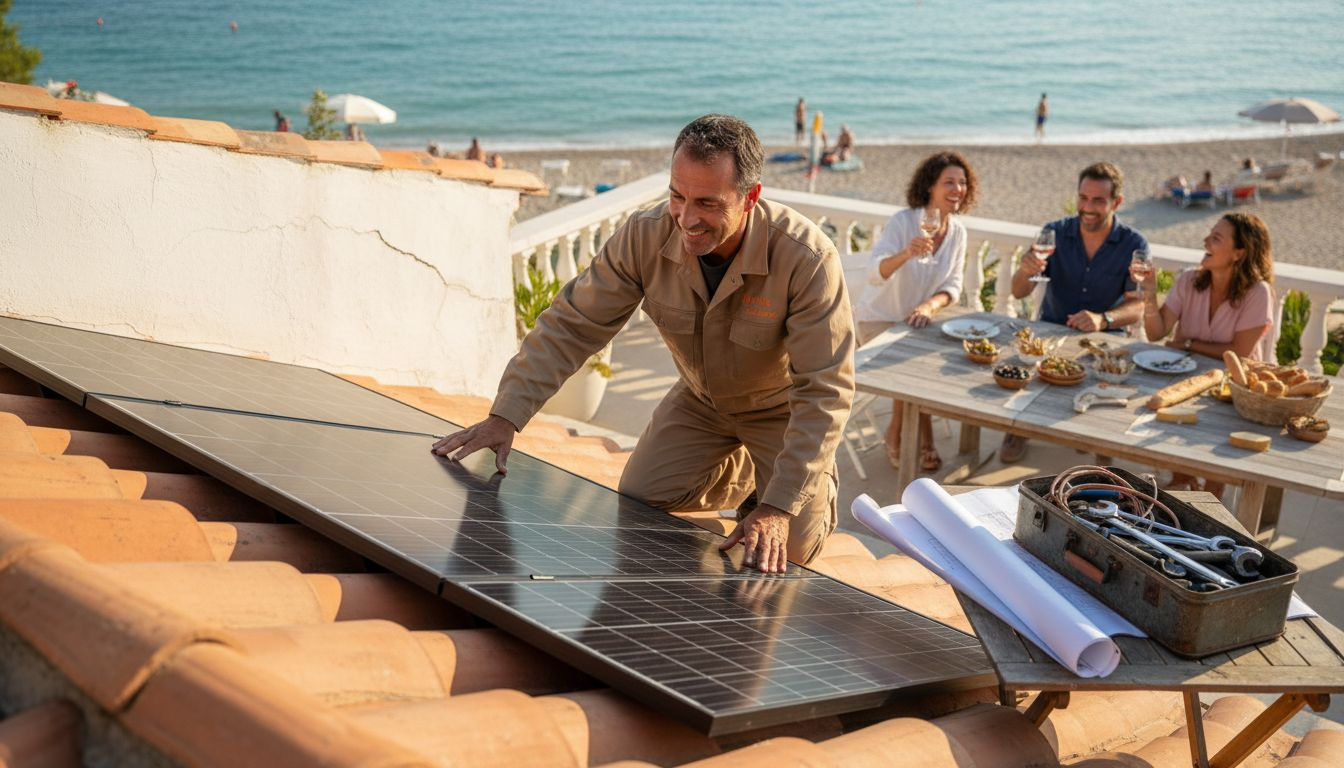
Solar energy systems have evolved from rooftop afterthoughts to integrated design elements. Sainte-Maxime’s beachside apartments feature solar arrays powering entire complexes, steps from Garonette’s golden sands and ferry connections to Saint-Tropez. Nice’s Mont Boron towers blend photovoltaic facades with sea-view terraces, generating clean energy without sacrificing Riviera glamour. Green building certifications (HQE, BREEAM, LEED) are no longer optional; elite buyers demand verified sustainability credentials backed by independent auditors.
New constructions offer 10-year warranties protecting structural integrity and systems performance, a critical safeguard for legacy investments spanning generations. Financial incentives sweeten the proposition: zero-interest payment plans spread acquisition costs while preserving investment capital, and lower notary fees on new builds (2-3% versus 7-8% on resales) deliver immediate savings. VEFA contracts (vente en l’état futur d’achèvement) shield buyers from construction cost overruns, locking purchase prices regardless of material or labour fluctuations.
Sustainability features driving 2026 value:
- Solar photovoltaic systems integrated into architectural design
- Rainwater harvesting and greywater recycling infrastructure
- High-performance insulation and triple-glazed windows reducing energy demand
- Locally sourced stone and timber minimising construction carbon footprint
- Smart home systems optimising energy use and security
- Native landscaping requiring minimal irrigation and chemical inputs
These eco-innovations aren’t sacrifices; they’re enhancements elevating daily living. Imagine mornings on your Menton terrace, lemon-scented breeze drifting from Val Rahmeh’s botanical gardens, knowing your solar array powers breakfast while your rainwater system nourishes native plantings. Afternoons might find you hiking Saint-Agnès’ eagle-eye trails or kayaking to Lérins abbey, returning to a villa that’s cooled itself naturally through cross-ventilation and thermal mass.
Pro Tip: Verify green certifications through independent audits rather than developer claims alone, ensuring your eco-luxury investment delivers genuine sustainability and long-term value to future generations.
Due Diligence and Financial Safeguards
Securing property lifestyle value demands rigorous due diligence across legal, technical, and financial dimensions. Legal title audits confirm provenance and ownership clarity, preventing disputes that could cloud your legacy. French property law contains complexities unfamiliar to international buyers: servitudes (easements), copropriété governance for shared facilities, and historical monument restrictions on renovations. Specialist Riviera legal advisors navigate these intricacies, ensuring your acquisition proceeds cleanly.
Technical surveys assess structural and seismic resilience, critical for estates meant to shelter generations. The Côte d’Azur sits in moderate seismic zones; professional engineers evaluate foundation integrity, load-bearing capacity, and earthquake reinforcement. They inspect for hidden defects: moisture intrusion behind Belle Époque facades, outdated electrical systems in charming villas, or inadequate drainage threatening hillside properties. These surveys cost thousands but prevent hundred-thousand-euro surprises post-acquisition.
Financial forecasting models the complete investment picture. You need projections spanning acquisition costs (purchase price, notary fees, registration taxes), ongoing expenses (property taxes, insurance, maintenance, utilities), rental income potential, and appreciation scenarios. Recent tax and interest rate shifts make expert modelling essential. French mortgage rates have eased slightly in 2026, improving financing costs, but rental income taxation has climbed significantly, reshaping yield calculations.
Critical due diligence components:
- Title searches confirming clean ownership history and absence of liens or claims
- Structural engineering reports evaluating seismic resilience and building systems
- Energy performance diagnostics (DPE) assessing efficiency and renovation needs
- Environmental surveys checking soil contamination or protected species presence
- Financial projections incorporating 2026 tax rates and market conditions
- Copropriété financial health reviews for apartment or complex purchases
The due diligence investment pays exponential dividends. A €5,000 comprehensive survey might reveal €200,000 in deferred maintenance, empowering price renegotiation or prompting you to walk away. Legal audits costing €3,000 prevent ownership disputes that could freeze your asset for years. Financial modelling illuminates whether a property truly aligns with your legacy wealth goals or merely looks attractive on paper.
Pro Tip: Engage French Riviera specialists (notaires, geometres, architects) rather than generalist advisors, as local expertise navigates regional regulations and market nuances far more effectively.
Comparative Analysis of Riviera Locales
Location selection fundamentally shapes both lifestyle experience and investment performance. Core Côte d’Azur cities (Nice, Cannes, Antibes) deliver faster sales cycles of 45-75 days compared with peripheral villas or renovation properties requiring 120+ days to attract buyers. This liquidity matters profoundly for legacy planning: your heirs might need to sell or refinance, and illiquid assets complicate wealth transfer.
Buyer profiles diverge by locale. Central Nice attracts international investors valuing airport proximity, cultural institutions, and Promenade des Anglais’ vibrant energy. Cours Saleya’s flower markets and Baie des Anges views anchor daily life. Cannes draws film industry insiders and yacht owners who prioritise Croisette glamour and Lérins island access. Antibes appeals to families seeking Provençal authenticity, with Picasso’s fortress, coastal walking paths, and thriving markets balancing sophistication with small-town charm.
Peripheral locales offer different value propositions. Èze delivers hilltop tranquility, Nietzsche trails, and pebbled coves for buyers prioritising privacy over nightlife. Menton’s lemon festivals and Italian border proximity attract retirees and second-home owners seeking quieter rhythms. Saint-Tropez and Sainte-Maxime command premium prices for Pampelonne beach access and yachting culture, but seasonal crowds and tourism infrastructure may not suit year-round family living.
| Locale | Days on Market | Primary Buyer Profile | Investment Focus | Lifestyle Trade-off |
|---|---|---|---|---|
| Nice/Cannes/Antibes | 45-75 | International investors, families | Liquidity, appreciation | Higher density, tourism |
| Cap d’Antibes/Monaco Borders | 60-90 | Ultra-high-net-worth, privacy seekers | Prestige, scarcity | Premium pricing, exclusivity |
| Èze/Menton | 90-120 | Retirees, lifestyle buyers | Tranquility, authenticity | Lower liquidity, slower sales |
| Saint-Tropez/Sainte-Maxime | 60-100 | Seasonal residents, yachting enthusiasts | Rental yield, beach access | Seasonal crowds, variable occupancy |
| Renovation/Peripheral | 120+ | Renovation specialists, long-term holders | Value-add potential | Illiquidity, project risk |
The table illuminates strategic choices. If legacy liquidity matters (enabling heirs to sell or borrow against the asset), core locales offer superior positioning. If privacy and authentic Provençal living outweigh quick-sale potential, peripheral properties deliver richer lifestyle value. Regional market trends show core cities maintain stronger appreciation during market corrections, while peripheral areas can outperform during booms when buyers seek undiscovered gems.
Your locale selection should balance:
- Liquidity needs for potential future sale or financing flexibility
- Lifestyle priorities (cultural vibrancy versus tranquil privacy)
- Rental income potential if seasonal letting factors into financial planning
- Appreciation trajectory based on infrastructure development and demand trends
- Family usage patterns (year-round residence versus seasonal retreat)
Don’t underestimate lifestyle authenticity. A slower-selling Èze villa offering daily gallery walks through floral lanes and panoramic Mediterranean vistas may deliver far greater family satisfaction than a liquid Nice apartment lacking soul. Your legacy encompasses memories and experiences, not just balance sheets.
Financial and Legal Considerations in Legacy Investments
French tax policy shifts in 2026 reshape luxury property investment calculations. Rental income tax rates jumped from 17% to 40% for furnished rentals exceeding €23,000 annually, dramatically impacting yield projections for high-value estates. This change targets speculative investors and short-term vacation rental operators, aiming to preserve housing stock for residents while discouraging rapid property flipping that inflates prices.
The regulatory environment increasingly discourages short-term vacation rentals in prime Côte d’Azur locales. Municipalities impose registration requirements, occupancy limits, and tax surcharges to combat overtourism and housing shortages. For legacy investors, this means traditional long-term leasing or selective seasonal letting to vetted tenants becomes more viable than Airbnb-style operations. Your rental strategy must align with evolving regulations while preserving after-tax returns.
Tax planning now demands sophisticated investment and tax strategies tailored to your specific wealth structure. International buyers benefit from exploring French property holding companies (SCI), which offer flexibility in ownership transfer and potential tax optimisation. Inheritance taxation, which can reach 60% for non-family transfers in France, requires careful structuring to preserve legacy wealth. Many affluent buyers combine French property ownership with international trust structures or offshore entities, though recent transparency regulations demand full compliance.
Critical financial and legal factors for 2026:
- Rental income taxation at 40% for high earners reshapes yield calculations and cash-flow projections
- Short-term rental restrictions limit Airbnb strategies in favour of traditional seasonal letting
- Inheritance tax planning through SCI structures or international entities protects wealth transfer
- Capital gains taxation on property sales requires minimum holding periods for exemptions
- Wealth tax (IFI) applies to French real estate exceeding €1.3M, impacting annual holding costs
These regulations aren’t obstacles but parameters defining intelligent legacy investment. A well-structured acquisition in 2026 accounts for rental taxation in yield models, plans ownership transfer to minimise inheritance taxes, and ensures full regulatory compliance preventing future penalties. The complexity demands expert guidance, but the rewards persist: Côte d’Azur property remains one of Europe’s premier legacy wealth vehicles when properly structured.
Proactive financial planning preserves enduring property lifestyle value. You’re not merely buying an estate; you’re architecting a multigenerational wealth strategy leveraging real estate appreciation, rental income, tax efficiency, and lifestyle richness. The Riviera’s timeless appeal endures regardless of tax rates, provided your structure optimises for current regulations.
Discover Your Legacy Luxury Real Estate Opportunity
Navigating Côte d’Azur luxury property acquisition demands expertise spanning investment analysis, sustainability credentials, legal compliance, and legacy planning. Our specialised services guide high-net-worth buyers through every dimension of securing estates that balance financial performance with authentic Riviera living and environmental stewardship. We connect you with verified eco-luxury properties, coordinate comprehensive due diligence, and structure acquisitions aligning with your legacy-focused investment strategies. Whether you seek a restored Provençal mas for multigenerational gatherings or a cutting-edge sustainable villa commanding Mediterranean panoramas, our expertise transforms complexity into clarity. Explore our portfolio to understand key luxury real estate features defining true property lifestyle value, and discover how Riviera estates become family heirlooms appreciating across generations.
Frequently Asked Questions
Which Côte d’Azur locations yield fastest sales and best legacy potential?
Core cities like Nice, Cannes, and Antibes deliver the strongest combination, with sales cycles of 45-75 days providing liquidity while maintaining 5-8% annual appreciation. Cap d’Antibes and Monaco borders offer even greater prestige and scarcity value, though at premium pricing and slightly longer sales timelines of 60-90 days. For pure legacy wealth preservation where liquidity matters less, these ultra-prime locales deliver superior long-term appreciation and family prestige.
How do sustainability features affect luxury property value and rental income?
Verified eco-certifications and renewable energy systems command measurable premiums, with sustainable builds seeing 15% demand growth in 2026. Solar arrays and green materials reduce operational costs by 30-50%, improving rental yields while appealing to environmentally conscious tenants willing to pay premium rates. Long-term value appreciation accelerates as regulatory pressure and buyer preferences increasingly favour certified sustainable properties over conventional luxury estates.
What recent tax changes must investors consider for legacy wealth preservation?
Rental income taxation jumped to 40% for furnished lettings exceeding €23,000 annually, significantly impacting yield projections for high-value estates. Short-term vacation rental restrictions in prime locales further reshape income strategies, favouring traditional seasonal letting over Airbnb models. Inheritance taxation reaching 60% for non-family transfers demands sophisticated ownership structures (SCI, international trusts) to preserve wealth transfer to heirs, making expert tax planning essential for legacy investments.
How critical is due diligence in securing long-term property lifestyle value?
Comprehensive due diligence represents the foundation of successful legacy investments, preventing costly surprises that could undermine appreciation and family enjoyment. Legal audits confirm clean title and ownership rights, technical surveys assess structural resilience critical for multigenerational use, and financial modelling ensures investments align with your wealth preservation goals. The modest upfront cost (typically €10,000-€20,000) protects against risks that could destroy hundreds of thousands in value or create legal complications for heirs.
Can rental yields reliably support legacy income goals in the current market?
Elite seasonal rentals on the Côte d’Azur deliver 3-5% annual yields even with 2026’s increased taxation, provided properties occupy prime locales with strong tourism demand and feature luxury amenities. Strategic letting during peak summer months and shoulder seasons maximises occupancy while preserving personal usage periods. Combined with 5-8% appreciation, total returns of 8-13% annually position Riviera property as a robust legacy income vehicle, though professional rental management and tax optimisation prove essential for achieving these targets.
Recommended
 //
//