
Luxury hospitality on the Côte d’Azur is no longer defined by ornate finishes or grand price tags. For discerning investors focused on legacy and long-term value, what matters most is authentic human connection and deeply personalised service. As high-net-worth individuals seek properties that blend privacy, sustainability, and emotional resonance, understanding this new standard becomes critical. Discover how modern luxury transforms real estate into opportunities for family wealth preservation and lasting significance.
Table of Contents
- What Defines Luxury Hospitality Today
- Types of Luxury Hospitality Experiences Explained
- Hallmarks of Exceptional Guest Service
- Costs, Value, and Market Implications
- Evolving Trends in Luxury Hospitality Spaces
Key Takeaways
| Point | Details |
|---|---|
| Personalised Experiences Matter | Modern luxury hospitality focuses on creating meaningful moments and emotional connections rather than merely providing expensive amenities. |
| Service Quality is Crucial | Exceptional service, characterised by anticipatory actions and cultural understanding, distinguishes high-end properties from ordinary ones. |
| Memorable Experiences Drive Demand | Guests value unique, curated experiences over material luxuries, making properties that offer authenticity and local integration more desirable. |
| Sustainability is Expected | Today’s affluent travellers demand visible sustainability practices, making eco-friendly operations a critical aspect of property appeal and value. |
What Defines Luxury Hospitality Today
Luxury hospitality has shifted dramatically over the past decade. It’s no longer about merely offering expensive furnishings or haute cuisine—though these elements remain important. Today’s definition centres on authentic human connection and personalised experiences that resonate deeply with discerning guests.
The modern luxury guest expects far more than comfort. They seek meaningful moments curated specifically for them, whether that’s remembering their preferred pillow firmness or arranging a private sunrise excursion to avoid crowds. This shift reflects a fundamental truth: wealth doesn’t impress the wealthy—understanding does.
The Pillars of Contemporary Luxury Hospitality
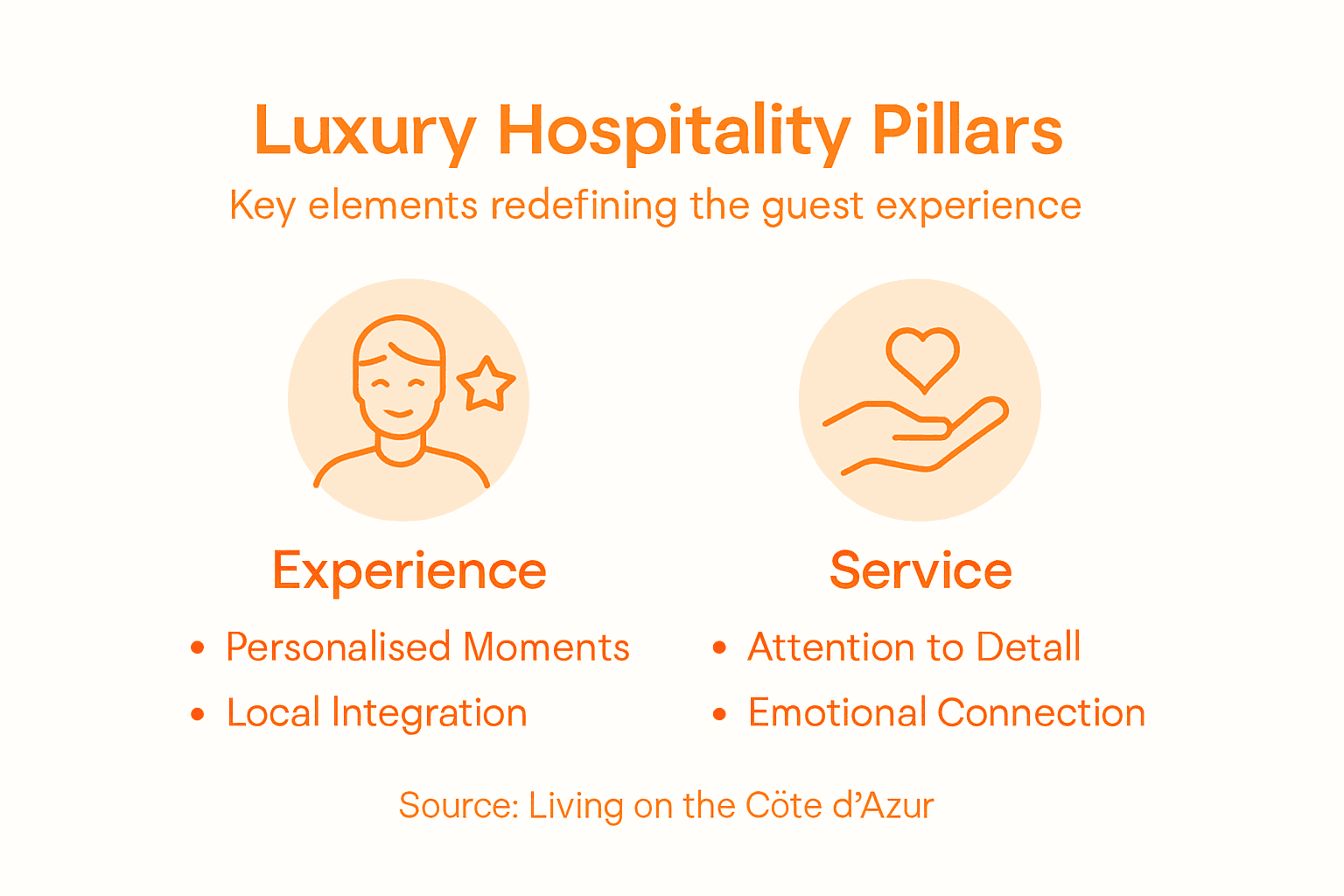
Creating emotional connections through exceptional service forms the foundation of today’s luxury hospitality. Beyond this, the sector has evolved to encompass:
- Premium service quality that anticipates needs before guests voice them
- Personalised experiences tailored to individual preferences and cultural backgrounds
- Authenticity over manufactured grandeur—genuine hospitality rather than performed luxury
- Sustainability integration demonstrating commitment to the planet alongside opulence
- Workforce excellence requiring highly trained, culturally aware staff
What sets ultra-luxury properties apart isn’t merely high price tags. Rather, it’s the seamless integration of premium brand attributes with unique, status-enhancing experiences that elevate a stay into a transformative journey.
The Experience Economy Reshapes Expectations
Guests with substantial means increasingly value irreplaceable memories over material extravagance. A private chef preparing dinner using ingredients from a local market creates far greater impact than standard fine dining. Exclusive access to cultural experiences—a private museum tour, a master class with a renowned artisan—resonates more profoundly than gilded fixtures.
For high-net-worth individuals considering second homes or seasonal retreats on the Côte d’Azur, understanding this evolution matters enormously. Properties that offer genuine luxury hospitality—whether through on-site concierge services, curated local partnerships, or bespoke guest experiences—command premium valuations and attract discerning long-term renters.
Service Excellence as the True Differentiator
Notice the pattern: every element traces back to service quality and intentionality. The five-star property distinguishes itself through staff trained in emotional intelligence, cultural sensitivity, and genuine problem-solving—not simply protocol adherence.
This manifests in tangible ways:
- Staff who speak your language and understand your cultural expectations
- Flexible policies that prioritise guest satisfaction over rigid rules
- Anticipatory service—staff noticing subtle preferences and acting accordingly
- Local expertise shared genuinely, not from scripted talking points
- Accountability from ownership to housekeeping—no silos between departments
Why This Matters for Your Investment
If you’re evaluating luxury properties on the Riviera as heritage investments or seasonal rental opportunities, this distinction is critical. Properties marketed as “luxury” but lacking genuine hospitality infrastructure will underperform. Conversely, homes offering authentic curated experiences—whether through partnerships with local guides, private chef arrangements, or exclusive access networks—generate stronger rental yields and attract higher-calibre clientele.
Luxury hospitality today rewards substance over spectacle, authenticity over artifice, and guest outcomes over property opulence. This principle applies equally to residential luxury and commercial hospitality.
Luxury hospitality today means creating irreplaceable memories through personalised service and authentic experiences, not merely showcasing expensive materials or high price points.
Pro tip: When evaluating Côte d’Azur properties for investment, assess the existing service infrastructure and local relationships—these intangible assets often determine rental success and guest satisfaction more than marble countertops or beachfront positioning.
Types of Luxury Hospitality Experiences Explained
Luxury hospitality isn’t a single offering. It encompasses a diverse range of experiences, each designed for different preferences and travel goals. Understanding these categories helps you identify which model aligns best with your property investment or seasonal retreat needs.
The Primary Categories
Luxury hospitality spans multiple formats, each with distinct characteristics and guest appeal. The main types include:
- Ultra-luxury hotels and resorts featuring expansive amenities, Michelin-starred dining, and comprehensive wellness facilities
- Boutique hotels emphasising intimate, personalised experiences with curated local connections
- Private villas and estates offering complete exclusivity, privacy, and bespoke service arrangements
- Luxury cruise experiences combining travel, accommodation, and curated destination access
- Exclusive private clubs providing members-only access to premium facilities and experiences
Each category maintains unwavering commitment to exceptional service, yet approaches guest engagement differently.
Ultra-Luxury Hotels and Resorts
These properties command premium pricing through expansive grounds, world-class infrastructure, and comprehensive service teams. Think beachfront resorts with private beach clubs, championship golf courses, and multiple restaurants operated by celebrity chefs.
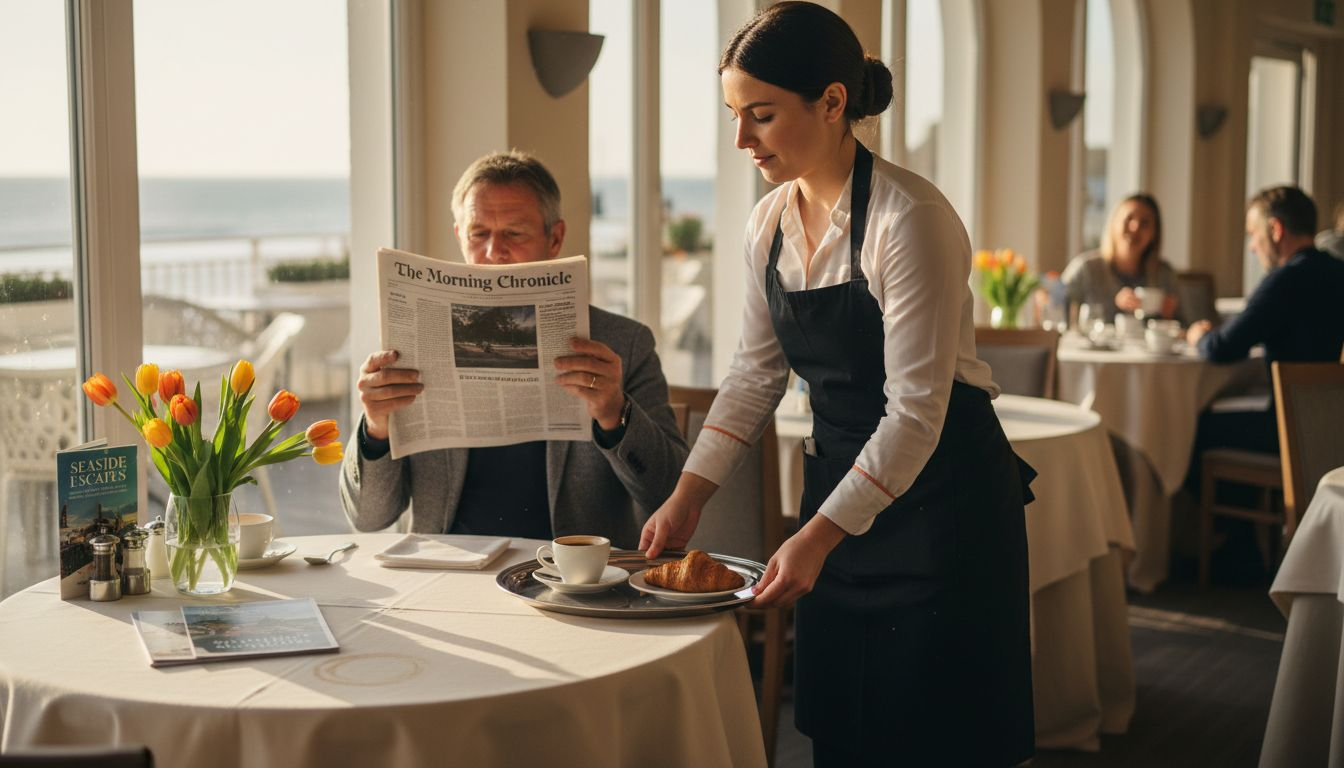
Guests expect seamless coordination across departments—spa, dining, activities, concierge—with zero friction or delays. The properties themselves become destinations rather than merely providing accommodation.
Boutique Hotels: Personality Meets Precision
Boutique properties reject the standardised approach entirely. Instead, they craft distinctive character reflecting local culture, architecture, and culinary traditions. Often housed in heritage buildings, converted palaces, or architecturally significant structures, boutique hotels limit guest numbers to maintain intimacy.
A 40-room boutique property on the Côte d’Azur might feature individually designed suites, a chef sourcing ingredients from village markets, and staff who know regular guests by name across seasons.
Private Villas and Estates
For high-net-worth individuals, private villa experiences represent the pinnacle of controlled luxury. You govern every aspect—guest selection, service protocols, activity schedules, privacy levels.
Estate ownership enables personalised hospitality management through dedicated concierge services, private chefs, and bespoke experience curation. Properties rented seasonally generate strong returns whilst remaining personal family sanctuaries.
Luxury Cruises and Mobile Experiences
Small-ship luxury cruises (200-500 passengers maximum) provide bespoke guest experiences combining travel, accommodation, and curated destination access. Unlike mass-market cruising, these vessels access boutique ports, offer expedition-style adventures, and maintain crew-to-guest ratios approaching 1:1.
Which Model Suits Your Riviera Investment?
Consider your objectives carefully. Boutique hotel ownership requires hospitality expertise and constant operational involvement. Private villa ownership offers passive income through seasonal lettings whilst retaining personal use flexibility.
Resorts demand significant capital but attract corporate groups and destination-driven travellers. Villas attract discerning individuals seeking privacy and personalisation—typically commanding higher nightly rates with lower occupancy requirements for profitability.
Each luxury hospitality format creates distinct guest experiences and investment characteristics—choose based on your operational capacity and target clientele, not merely property aesthetics.
Pro tip: Before acquiring a Côte d’Azur property for luxury hospitality, analyse comparable properties’ occupancy rates and guest reviews within your chosen category—market positioning and service infrastructure matter far more than architectural grandeur alone.
The following table summarises how luxury hospitality categories differ for investors:
| Hospitality Format | Operational Complexity | Target Clientele | Typical Return Profile |
|---|---|---|---|
| Ultra-luxury hotels | Very high | Corporate and leisure groups | Stable, high volume |
| Boutique hotels | High | Cultural/lifestyle explorers | Moderate, niche market |
| Private villas & estates | Moderate | Affluent families, celebrities | High margins, lower volume |
| Luxury cruises | Very high | Travellers seeking mobility | Premium pricing, high costs |
| Exclusive private clubs | Moderate | Members, repeat guests | Subscription and event-based |
Hallmarks of Exceptional Guest Service
Exceptional guest service separates truly luxurious properties from merely expensive ones. It’s the difference between a stay guests endure and one they treasure for decades. The hallmarks of this service level are tangible, measurable, and absolutely learnable.
Consistency Across Every Touchpoint
Quality and consistency characterise exceptional luxury service across all guest interactions. From arrival logistics to departure farewells, every moment reflects the same high standard.
Consistency means:
- Every staff member delivers identical service quality standards
- Protocols remain unchanged whether the guest is a celebrity or first-time visitor
- Morning coffee temperature matches yesterday’s precision
- Room cleanliness maintains identical standards across all guest areas
- Communication tone remains warm and professional in every interaction
This reliability builds trust. Guests relax when they know what to expect.
Meticulous Attention to Detail
Luxury hospitality lives in the minutiae. A perfectly ironed pillowcase. Fresh flowers positioned precisely. Guest preferences documented and remembered across seasons.
Details communicate respect. They whisper “we noticed you.” A guest’s preferred newspaper stocked in their suite before arrival. The wine selection adjusted based on previous tasting notes. Bath products replaced before depletion becomes noticeable.
Emotional Connection and Personalisation
Surpassing expectations through personalised interactions creates the emotional foundation of luxury service. Staff must move beyond scripted interactions to genuine human connection.
This happens through:
- Learning guest names and personal details before arrival
- Remembering preferences without requiring guests to repeat them
- Anticipating needs rather than responding to requests
- Celebrating milestones guests mention casually
- Understanding cultural backgrounds and adapting service accordingly
The “Home-from-Home” Feeling
True luxury service creates genuine belonging. Guests shouldn’t feel like transient visitors but like welcomed family members inhabiting their own sanctuary.
This requires staff training focused on warmth alongside professionalism. A maid who remembers your routine and adjusts quietly around your schedule. A concierge who becomes your trusted local guide rather than information dispenser.
Staff Excellence as Service Foundation
No property delivers exceptional guest service without exceptional staff. Employees embodying luxury hospitality must demonstrate:
- Genuine care for guest wellbeing and satisfaction
- Polished execution without appearing robotic or over-rehearsed
- Rapid problem-solving without escalating trivial concerns
- Cultural awareness and multilingual capability
- Initiative to exceed expectations independently
Why This Matters for Your Investment
Properties commanding premium nightly rates consistently deliver these hallmarks. When evaluating Côte d’Azur properties for investment, assess staff training infrastructure and management philosophy. Beautiful architecture alone attracts one-time visitors. Exceptional service generates repeat guests and referrals—the foundation of profitable luxury hospitality.
Exceptional guest service isn’t a luxury amenity—it’s the core product that determines whether guests return and recommend your property.
Pro tip: When acquiring a property for luxury hospitality lettings, budget aggressively for staff recruitment, training programmes, and retention—investing 15-20% more in personnel typically yields 30-40% higher guest satisfaction scores and booking premiums.
Costs, Value, and Market Implications
Luxury hospitality commands premium pricing because guests willingly exchange significant capital for authenticity, exclusivity, and transformative experiences. Understanding the cost-value relationship is essential for investors evaluating property opportunities on the Côte d’Azur.
The Global Market Expansion
The luxury hospitality market is expanding rapidly, projected to grow from USD 93.4 billion in 2022 to USD 238.5 billion by 2028. This growth trajectory reflects fundamental shifts in how affluent consumers prioritise spending.
This expansion signals:
- Increasing demand amongst global high-net-worth individuals for premium experiences
- Growing willingness to invest in exclusivity and personalisation
- Evolving definitions of luxury beyond material goods
- Stronger market fundamentals for property investments in prestige locations
- Higher rental yields for properties offering authentic hospitality
The Côte d’Azur captures significant share of this growth, attracting international investors seeking both personal use and commercial returns.
Cost Structure and Profitability Analysis
Operating luxury hospitality properties requires substantial upfront and ongoing investment. Staff recruitment and training consume 25-35% of operational budgets. Maintenance standards for premium properties demand triple the investment of standard accommodation.
Yet the margins justify these costs. Premium pricing strategies reflect evolving luxury definitions, with guests paying nightly rates of €500-€5,000+ for authentic experiences.
The Value Exchange: Why Guests Pay Premium Rates
Affluent travellers understand a fundamental truth: exceptional experiences are finite. A weekend at an exclusive Riviera villa with a private chef cannot be replicated through conventional hotels. This scarcity commands premium pricing.
Guests justify luxury costs through:
- Uniqueness: Bespoke experiences unavailable elsewhere
- Status symbolism: Exclusive access signals discernment and achievement
- Service quality: Personalised attention from highly trained professionals
- Privacy and security: Complete discretion and controlled environments
- Emotional resonance: Transformative moments shared with loved ones
Investment Implications for Côte d’Azur Properties
Properties positioned within the luxury hospitality spectrum command higher valuations and rental premiums than conventional real estate. A villa offering authentic hospitality infrastructure—curated local partnerships, trained concierge services, private chef arrangements—attracts clientele willing to pay significantly more than properties lacking these elements.
For heritage investments, understanding property valuation dynamics ensures informed decision-making. Properties generating consistent rental income through hospitality management typically appreciate 5-8% annually whilst producing 3-5% annual yields from lettings.
Market Shift: Experience Over Opulence
Younger affluent generations increasingly prioritise meaningful experiences over material extravagance. This shift reshapes investment strategy. Properties must offer curated local access, cultural immersion, and authentic engagement—not merely marble surfaces and square footage.
Investors adapting to this evolution position properties for sustained demand and premium pricing.
The luxury hospitality market rewards authentic experiences and personalised service far more than material opulence—this shift favours well-managed properties over impressive but hollow properties.
Pro tip: When calculating potential returns from Côte d’Azur luxury properties, factor in a 20-25% premium to nightly rates for properties offering genuine hospitality infrastructure versus standard luxury rentals, and project 65-75% annual occupancy rates for well-positioned, professionally managed properties.
Evolving Trends in Luxury Hospitality Spaces
Luxury hospitality is transforming rapidly. The industry that once revolved around marble floors and Michelin stars has shifted fundamentally. Today’s affluent travellers want something entirely different—and properties must adapt accordingly.
The Shift from Opulence to Authenticity
Current luxury hospitality emphasises personalisation and authentic experiences over traditional material extravagance. Younger wealth—particularly digital millionaires and generational wealth holders—prioritise emotional connection and uniqueness above all else.
This represents a seismic industry shift. A guest staying at a property with ordinary design but exceptional local partnerships may rate their experience higher than one in an architecturally stunning but impersonal villa.
Data-Driven Personalisation as Competitive Necessity
Modern luxury properties leverage advanced guest data systems to anticipate preferences before arrival. Software tracks dietary requirements, preferred room temperatures, entertainment choices, and activity interests across multiple visits.
Top-tier properties now offer:
- Pre-arrival customisation based on historical preferences
- Real-time activity recommendations using artificial intelligence
- Personalised dining menus developed from guest history
- Curated cultural itineraries matching individual interests
- Surprise elements tailored to guest preferences and milestones
This requires investment in technology infrastructure alongside traditional hospitality training.
Sustainability as Luxury Standard
Luxury travellers increasingly demand conscientious sustainability practices alongside high-end comfort. Solar arrays, water recycling systems, and organic gardens have become expected rather than exceptional.
Younger affluent guests specifically seek properties demonstrating environmental commitment. A villa powered by renewable energy with locally sourced dining commands premium rates and attracts repeat bookings.
Immersive Cultural Integration
Modern luxury isn’t about isolation—it’s about authentic integration with local culture. Guests want private access to artisan workshops, intimate dinners with local chefs, and curated introductions to community figures rather than sterile tourist activities.
This trend particularly benefits Côte d’Azur properties with established local relationships. Access to village markets, private artisan experiences, and genuine cultural engagement creates differentiation impossible to replicate through property amenities alone.
Exclusivity Redefined
Exclusivity no longer means marble-laden grandeur. It means controlled access, intimate experiences, and personalised attention. A 12-guest private villa with exceptional service outranks a 200-room resort in luxury hierarchy.
Properties offering:
- Limited guest numbers per season
- Customised experience calendars
- Dedicated staff assignments
- Privacy-first architectural design
- Bespoke service protocols
command significantly higher nightly rates than larger properties.
Market Implications for Côte d’Azur Investors
Emerging luxury market shifts are reshaping 2026 wealth strategies, favouring properties with authentic local integration, sustainability credentials, and personalisation infrastructure over purely architectural grandeur.
Properties lacking these elements face declining competitiveness. Those adapting rapidly capture expanding market segments willing to pay premium rates for genuinely differentiated experiences.
Here is a quick reference for how emerging trends are shaping guest preferences in luxury hospitality:
| Trend | Guest Expectation | Effect on Property Strategy |
|---|---|---|
| Authentic experiences | Genuine local engagement | Build community partnerships |
| Data-driven service | Anticipation of personal needs | Invest in guest profile technology |
| Sustainability | Visible eco-friendly practices | Adopt renewable energy and sourcing |
| Exclusivity | Limited guest access and privacy | Limit guest numbers, offer bespoke care |
| Cultural immersion | Unique insider access | Curate local artisan and chef events |
Luxury hospitality’s future belongs to properties offering authentic experiences, local cultural integration, and personalised service—not to those showcasing expensive materials or conventional amenities.
Pro tip: When evaluating Côte d’Azur properties for hospitality investment, prioritise locations with established local partnerships, existing staff trained in personalisation protocols, and demonstrated sustainability infrastructure over properties requiring complete operational rebuilding.
Elevate Your Riviera Investment through Authentic Luxury Hospitality
The article reveals a critical truth for savvy investors and discerning buyers alike: true luxury hospitality transcends opulence and surface-level service. Today’s affluent guests crave personalised experiences, authentic cultural immersion, and impeccable service sensibility that build emotional connections rather than mere visual grandeur. This shift demands that property investments on the Côte d’Azur focus on service infrastructure, local partnerships, and sustainability integration to unlock superior rental yields and enduring legacy value.
At Living on the Côte d’Azur we understand these evolving nuances. Our portfolio is tailored for visionary buyers seeking more than just a home—heirlooms crafted with lasting appeal across generations. Whether you seek eco-luxury villas in Cap d’Antibes, historic Provençal mas opportunities, or architecturally iconic new builds in Nice or Sainte-Maxime, we provide expert guidance that illuminates every aspect of due diligence and market positioning. Our unique blend of seasoned expertise and cutting-edge innovation—including cryptocurrency payment options—ensures your investment captures authentic luxury hospitality’s true potential.
Unlock the power of bespoke hospitality on the French Riviera with Living on the Côte d’Azur. Discover how integrating exceptional service, cultural engagement, and sustainability into your property elevates value and guest experience alike. Explore our insights on buying luxury real estate on the French Riviera, dive into legacy investment strategies, and inquire about premium properties that promise both financial returns and a lifestyle rich in emotional resonance.
Are you ready to transform your Riviera real estate vision into a legacy defined by genuine luxury hospitality? Connect with us today to take the first step: Contact Us. Your future in the paradise of the Côte d’Azur awaits.
Frequently Asked Questions
What is the modern definition of luxury hospitality?
The modern definition of luxury hospitality revolves around authentic human connection and personalised experiences rather than just opulent furnishings or fine dining. Guests now seek meaningful moments that resonate deeply with them.
How do emotional connections play a role in luxury hospitality?
Emotional connections through exceptional service form the foundation of luxury hospitality. This involves anticipating guests’ needs and preferences, providing a personalised service experience that creates lasting memories.
What differentiates ultra-luxury properties from standard luxury hotels?
Ultra-luxury properties distinguish themselves through highly personalised service, seamless integration of premium experiences, and genuine hospitality, rather than just high price tags or extravagant decor.
Why is sustainability important in luxury hospitality today?
Sustainability has become integral in luxury hospitality, as modern guests increasingly prefer properties demonstrating environmental commitment alongside high-end comfort. This reflects a desire for authentic luxury that cares for the planet.
Recommended
 //
//